
Neurodiversity and Substance Use

Many of the people accessing substance use, homelessness and mental health services are navigating far more than the challenges that first bring them through the door. For some, there is an underlying neurodivergence that has never been recognised, understood or accommodated. Others may have an acquired neurodiversity following a brain injury, stroke or neurological condition. When these differences go unnoticed, it becomes easy to misunderstand behaviour, communication or engagement, and the reasons someone may be using substances can be oversimplified or missed altogether.
Frontline practitioners are often the first to spot that something isn't quite fitting the usual picture. Yet, under pressure, it's easy to interpret missed appointments, impulsive decisions, communication differences or inconsistent engagement as a lack of motivation or willingness to change. Looking through a neurodiversity-informed lens encourages us to ask a different question: What is this person experiencing...
Neurodiversity and Substance Use
Many of the people accessing substance use, homelessness and mental health services are navigating far more than the challenges that first bring them through the door. For some, there is an underlying neurodivergence that has never been recognised, understood or accommodated. Others may have an acquired neurodiversity following a brain injury, stroke or neurological condition. When these differences go unnoticed, it becomes easy to misunderstand behaviour, communication or engagement, and the reasons someone may be using substances can be oversimplified or missed altogether.
Frontline practitioners are often the first to spot that something isn't quite fitting the usual picture. Yet, under pressure, it's easy to interpret missed appointments, impulsive decisions, communication differences or inconsistent engagement as a lack of motivation or willingness to change. Looking through a neurodiversity-informed lens encourages us to ask a different question: What is this person experiencing...
Time to "Man up"?
Descriptions of, and attempts to codify, patriarchal hierarchies can be seen in writings dating back to the ancient Greek and Roman empires. Even religious texts set out notions that women should be seen as secondary or subservient to men; the bible going so far as to depict Eve as responsible for the downfall of humanity through an act of temptation in an effort to establish an innate weak or deceitful nature.
Often, this has been sexualised, even fetishised as part of misogynistic thought as can be seen during the witch trials that spanned almost 400 years. In this period, 40 to 60 thousand people were killed - 75 to 80% of them women and the majority 40 or above. Accusations often involved lurid notions of witches being seduced by devils or tempting men into extra-marital trysts with some even being prosecuted for stealing penises! This hypersexualisation of women fed into fears of male impotency and perceived loss of power or control but also highlighted the lack of value placed ...
New Podcast Series
Hello everyone,
I wanted to jump on here and let everybody know that the first episode of our new three part Ketamine series has been released and is available on Spotify, Apple podcasts and on the link below.
https://www.risk-and-resilience.co.uk/frontline-podcast
This is a series we are incredibly proud of and are thankful for each contributor who gave up their time, expertise and experience to make this a possibility so please enjoy, comment and share!
Man Up? Masculinity in 2025 and Why We Need a New Conversation
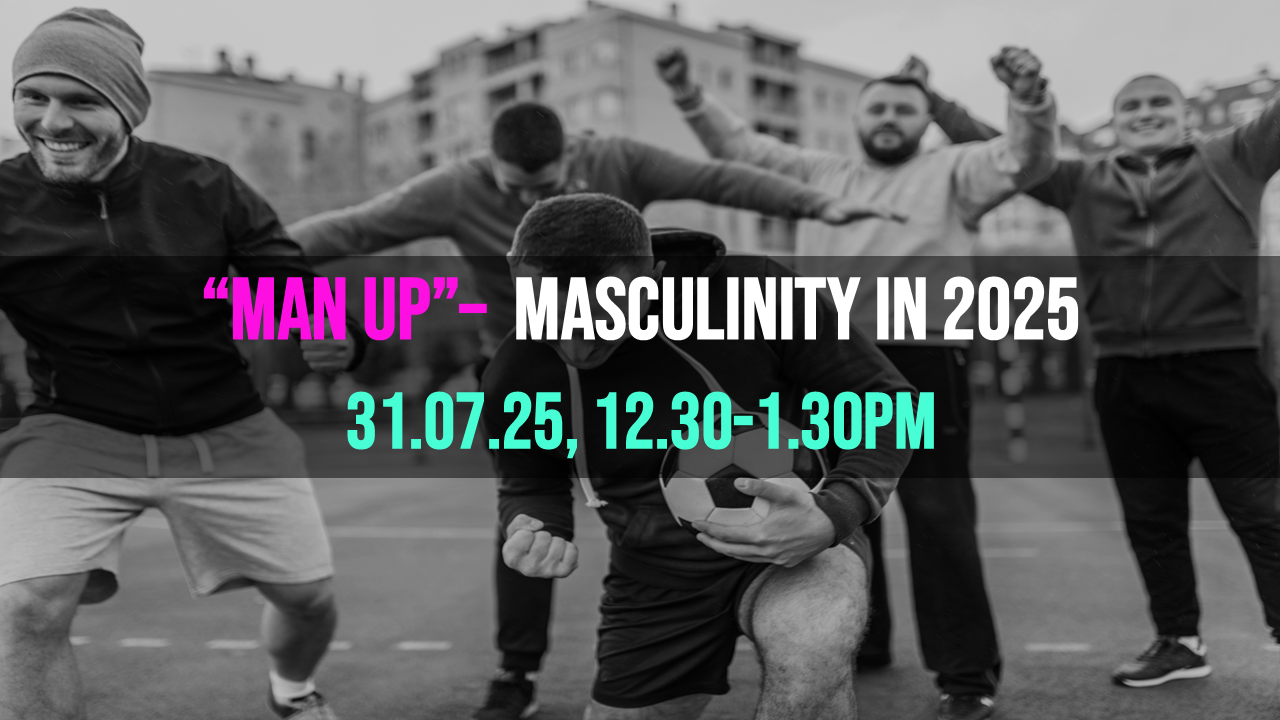
“Man up.”
It’s a phrase I heard growing up. On the football pitch. In the changing room. Even quietly, in the spaces between crisis and coping.
It’s also a phrase I’ve come to unlearn—and unpick—in my personal life and in my professional work.
In 2025, the idea of what it means to “be a man” is being challenged more than ever. And it needs to be. Not just for the wellbeing of men, but for the safety, equity, and emotional health of everyone in the system—including women and non-binary people, both staff and service users.
A System That Still Carries Old Codes
In frontline services—whether housing, health, social care, criminal justice or substance use—the consequences of rigid masculinity show up every day. We see men who’ve been taught not to feel, not to ask for help, not to be vulnerable. Many are living in survival mode, carrying shame and trauma without the tools or language to express it.
These codes of masculinity—dominance, emotional detachment, control—can create unsafe e...
Ketamine: A response to trauma?
Ketamine use has surged in recent years, with devastating consequences for individuals and healthcare systems alike. Once known primarily for its anesthetic and dissociative effects, ketamine is now linked to severe physical and mental health complications, requiring urgent attention from healthcare professionals, policymakers, and communities.
The Harsh Reality of Ketamine-Related Harm
Unlike many other substances, ketamine use can lead to rapid and severe physical deterioration. The complications range from bladder and kidney damage to neurological and gastrointestinal issues. Among the most distressing consequences are:
-
Severe Bladder and Kidney Damage – Chronic ketamine use can cause painful and irreversible urinary conditions, including hematuria (blood in urine), incontinence, and even the need for bladder removal or long-term catheter use.
-
Gastrointestinal and Nutritional Issues – Many users experience weight loss, reduced appetite, and liver dysfunction, further exa...
Celebrating the End of Season 2 of the Frontline Podcast – A Journey Behind the Scenes

As we wrap up the second season of the Frontline podcast, we want to take a moment to reflect on the incredible stories, insights, and perspectives that have made this journey so meaningful. Season 2 has taken us behind the scenes of everyday heroes—those working on the front lines of their communities—giving us a raw, unfiltered glimpse into the challenges they face and the commitment they bring to their work.
Over the course of this season, we had the privilege of hosting seven amazing guests, each one offering a unique perspective on what it means to work in roles that support the wellbeing of others. From healthcare workers and social-care staff to community support professionals, our guests allowed us into their lives for a week, documenting their experiences from Monday through Friday. Through their stories, we’ve come to understand the deep resilience and dedication it takes to be on the front lines of care.
What We Learned in Season 2
Each episode gave us something special, ...
Celebrating Resilience and Healing at the Trauma-Informed Film Festival in Leeds 17.10.24

The Trauma-Informed Film Festival is not just another film event; it’s a movement. This festival seeks to deepen the understanding of trauma and its impact while celebrating the extraordinary work done by local services that support individuals dealing with homelessness, mental health challenges, substance use issues, and more. By sharing these profound stories on the big screen, the festival aims to foster empathy, raise awareness, and inspire positive change within the community.
The festival’s focus on being "trauma-informed" is crucial. Trauma-informed principles guide the festival in ensuring that the films, the environment, and the overall experience are sensitive to the needs of individuals who have experienced trauma. The six core principles—Safety, Trustworthiness and Transparency, Peer Support, Collaboration and Mutuality, Empowerment, Voice and Choice, and Cultural Humility—are the foundation upon which the festival is built. These principles not only shape the content of t...
Have you seen our resource page?
Hi,
It's bee a while, hope you're all doing well. We just wanted to do this blog post to ask if you've checked out the resource page on the Risk and Resilience website? Click here
This is full of free resources (including our Vicarious Trauma toolkit that was so popular on social media a couple of weeks ago) as well as a selection of out bite size one minute learning videos that can also be found on our YouTube page here
The most recent additions have been three videos on Motivational Interviewing but there are others with more to follow. Please check them out, share, like and leave us a comment!
Understanding the Role of Core Beliefs in Attachment and Trauma

Our core beliefs are the deeply ingrained ideas we hold about ourselves, others, and the world around us. These beliefs shape our perceptions, influence our behaviours, and play a crucial role in how we form and maintain relationships. When it comes to attachment and trauma, core beliefs can either support healthy relational patterns or contribute to ongoing emotional and psychological challenges.
Core beliefs begin to form in early childhood, influenced by our interactions with caregivers, our experiences, and the messages we receive from our environment. These beliefs are often reinforced over time and become the lens through which we view the world. Positive experiences and secure attachments typically lead to healthy core beliefs, such as "I am worthy of love" or "People can be trusted." Conversely, negative experiences and insecure attachments can result in harmful core beliefs, like "I am unlovable" or "The world is unsafe."
Attachment Theory and Core Beliefs
Attachment theory...
